Why Oak and Maple Trees in New Jersey Are Vulnerable to Specific Diseases | Tree Removal in New Jersey
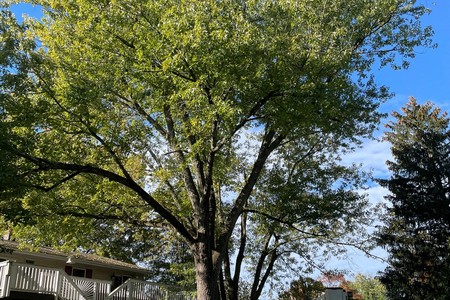
New Jersey’s climate is kind to shade trees, yet it also creates the perfect setup for fungal and bacterial problems. Oaks and maples carry most of the canopy in many neighborhoods, which is why they show disease first. If a tree becomes unsafe, professional tree removal protects people, buildings, and power lines. This guide explains why these two beloved species are at higher risk in our state and how a certified arborist decides the safest path forward.
How New Jersey Weather and Soil Stress Oaks and Maples
From coastal storms to late-spring rains, New Jersey toggles between soaking wet and summer heat. That swing can stress roots and bark. Stressed trees do not fight off pathogens well, which opens the door to leaf blights, wilts, and root diseases.
Soils also play a big role. Many New Jersey yards sit on compacted fill with poor drainage. Road salt near driveways and busy streets adds burn and root stress. In town centers and tight suburban blocks, heat reflecting off pavement speeds up pest and disease cycles on already tired trees.
- Cool, wet springs favor anthracnose on both oaks and maples.
- Summer drought after heavy spring growth can trigger leaf scorch and decline.
- Compacted or clay-heavy soils hold water, raising the risk of root rot.
- Road salt and plow spray injure fine roots and leaf buds along streets.
- Storm wounds let decay fungi enter trunks and major limbs.
The Most Common Diseases in New Jersey Oaks
Bacterial Leaf Scorch in Red Oaks
Red oak group trees often show leaf edges turning brown with a yellow band late in summer. The pattern usually returns year after year and creeps higher into the canopy. While the disease is slow, it chips away at health and can lead to dead branches above driveways and patios. Do not ignore sudden mid-summer browning in red oaks. An assessment helps set a plan to manage risk and decide when pruning or removal is safer.
Anthracnose and Leaf Blister in Cool, Wet Springs
Oak anthracnose causes irregular leaf blotches and early leaf drop. In many cases it is cosmetic, but repeated heavy infections weaken trees that already face drought or soil issues. Leaf blister makes puckered, pale patches that look alarming but often cause less stress than anthracnose. After several tough seasons in a row, even “cosmetic” diseases can push a struggling oak over the edge.
Root and Trunk Problems After Flooding
Standing water from nor’easters and stalled summer fronts deprives roots of oxygen. Waterlogged roots invite decay fungi that hollow the base or major buttress roots. You might notice a thin canopy, small leaves, or mushrooms at the base. These are red flags because decay near the base affects stability. When targets are close, even a large, beautiful oak may not be safe to keep.
The Most Common Diseases in New Jersey Maples
Tar Spot: Ugly But Usually Cosmetic
Tar spot makes round, black patches on leaves of Norway, silver, and other maples. It looks severe in late summer, yet it rarely threatens the tree’s life. The main concern is appearance and early leaf drop on streets and sidewalks. Cleanup helps reduce next year’s spores, but tree health mostly depends on rooting space and moisture balance.
Verticillium Wilt: A Serious Threat
Verticillium is a soil-borne fungus that clogs the water pipes inside the tree. Branches wilt quickly and may die back on one side of the canopy. This uneven pattern is a clue. There is no simple cure. Arborists focus on safety, sanitation, and structure. If you notice fast dieback on one side of a maple, call a professional right away. In some cases, strategic pruning can lower risk. In others, removal becomes the responsible choice to protect people and property.
Root Stress, Salt, and Sooty Mold
Maples near roads see more salt spray, compacted soil, and heat. That mix leads to thin crowns and sticky honeydew from sap-feeding insects. The honeydew grows sooty mold on leaves and cars parked under the canopy. While these are pest issues, the underlying stress makes trees more vulnerable to disease and winter injury. Healthier roots mean better disease resistance.
When Tree Removal in New Jersey Becomes the Best Option
Most disease problems can be managed for a time with pruning, hazard reduction, and close monitoring. The tipping point is safety. Large deadwood over a driveway, deep decay at the trunk base, or rapid wilt that weakens key limbs can make a tree unpredictable. Wind-damaged, diseased limbs can fail without warning.
Think about common New Jersey setups: a big red oak near the front walk, a silver maple straddling a fence, or a street maple under power lines. If defects line up with high-use areas, risk rises fast. In these cases, your arborist may recommend alternatives like staged removals or sectional rigging to protect lawns and hardscapes. If a tree is beyond saving, linking long-term safety to your landscape plan is wise. Homeowners who need bigger-picture guidance on timelines often start at the root of the issue and explore tree removal in New Jersey as part of a multi-year plan to replant with better-suited species.
How McCabe's Tree Experts Evaluates and Manages Diseased Trees
Certified arborists look at the whole picture. They do not just identify a leaf spot and walk away. They check site drainage, mulch depth, root flare, trunk wounds, and the targets below the canopy. The goal is to separate what is mainly cosmetic from what is a real safety issue.
Here is how an evaluation typically proceeds in New Jersey landscapes:
- History and site review: storm exposure, standing water, road salt, and recent construction.
- Canopy and trunk inspection: dieback pattern, cracks, decay, and past pruning cuts.
- Root zone check: soil compaction, root collar depth, and signs of fungi at the base.
- Risk and target assessment: paths, play areas, driveways, and utilities nearby.
- Plan of action: prune and monitor, cable and brace where appropriate, or outline removal.
For oaks with recurring bacterial leaf scorch, your arborist may recommend crown cleaning to remove deadwood and reduce failure risk near high-use zones. For maples with suspected verticillium, they will avoid wounding the tree and may suggest removing heavily affected branches to improve safety. Never keep a diseased tree that is structurally unsound near a home, driveway, or play area. Keeping people safe is always the top priority.
Local Factors That Make Oaks and Maples More Vulnerable
Weather patterns change year to year, but certain New Jersey realities stay the same. Heavy clay pockets in older subdivisions hold water in spring. Stormwater from new roofs and additions can dump into small planting beds, drowning roots. In coastal counties, salt spray and wind burn are routine. In older towns with narrow strips between sidewalk and street, roots fight for space under compacted soil and asphalt edges. All of this adds up to stress, and stress invites disease.
Landscape changes also matter. When lawns are raised over time, the root collar can end up buried. Mulch piled against the trunk traps moisture and encourages decay against bark. Open pruning wounds during the wrong season can invite pathogens. Work with a professional who times pruning for species and season, and who protects root zones during any hardscape project.
Signs It Is Time To Call An Arborist
Watch for patterns, not just single leaves. A few spots can be normal. Seasons vary. But if several of the signs below appear together, your tree may need a closer look:
Do not wait if you see these safety clues.
- Sudden wilting or browning on one side of a maple canopy.
- Repeated late-summer scorch in red oaks with dead twigs collecting in the crown.
- Mushrooms or soft, crumbly wood at the base or on major roots.
- Deep cracks, open cavities, or peeling bark after storm damage.
- Large dead branches hanging over driveways, sidewalks, or play areas.
Protect Your Property With Professional Help
Whether you are dealing with tar spot that looks messy or a maple declining from verticillium, a skilled team can separate appearance issues from real hazards. If removal is the safest path, McCabe's Tree Experts uses careful rigging to protect lawns, gardens, and hardscapes while the work is completed. To discuss options or schedule an on-site assessment, call 908-281-5797. When you are ready, you can also explore timing and next steps for tree removal that fits your New Jersey property plan and schedule.
Transform Your Yard With Expert Tree Care. Contact Our Tree Service Experts in Somerset County & Surrounding Areas!